
Harnessing Parkinson's Law for Improved Productivity
Harnessing Parkinson's Law for Improved Productivity
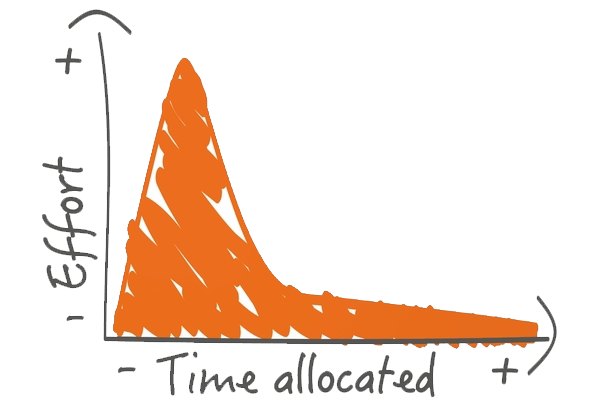
The night before a significant presentation or client meeting, it's common for us to work late into the night, regardless of the notice we had - be it 6 hours, 6 days, or 6 months. This phenomenon is known as Parkinson's Law.
In 1955, Cyril Northcote Parkinson coined this adage, stating that work expands to fill the time available for its completion. As humans, we tend to stretch our work to fit the allotted time, leading to last-minute preparations even if we had ample time beforehand.
However, we can turn this principle to our advantage. For instance, if your office culture encourages late work, tasks might unnecessarily stretch throughout the day. By setting a clear deadline, like leaving at 3 pm, you become more focused and efficient, completing your work on time without excessive breaks or unnecessary meetings.
Research shows that adopting a 4-day work week with shorter hours (32 instead of 40) can make companies more efficient and less stressed. Applying Parkinson's Law, consider shortening meeting durations. If the default is 60 minutes, try reducing them to 50 or even 25 minutes. The law dictates that productivity remains high even with shorter meeting times.
Give it a try and see how Parkinson's Law can help you boost productivity and achieve better work-life balance.